
-
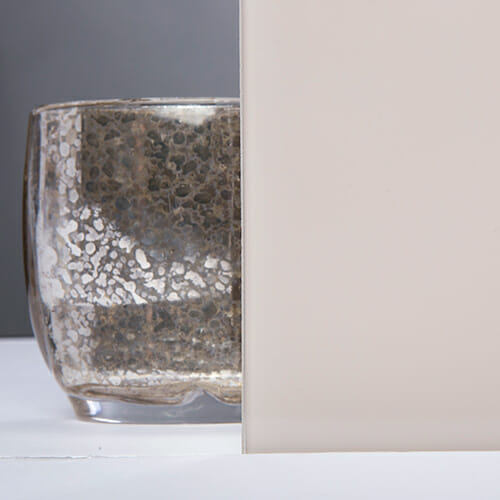 Cashmere Back Painted Glass features a soft taupe color under clear glass to make colors more vibrant.
 -
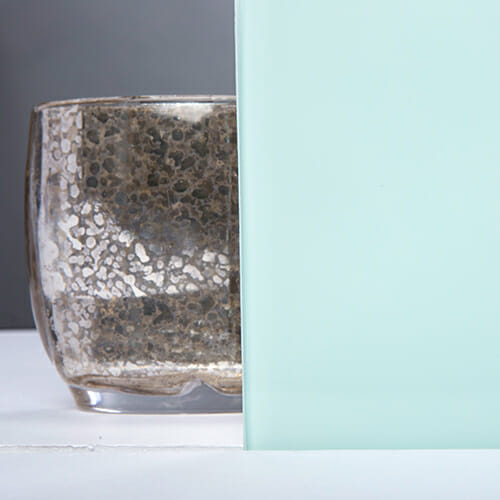 You can almost melt into this smooth milky green back painted glass. Using ultraclear glass and durable paints, our Irish Cream Back Painted Glass adds character to any room.
 -
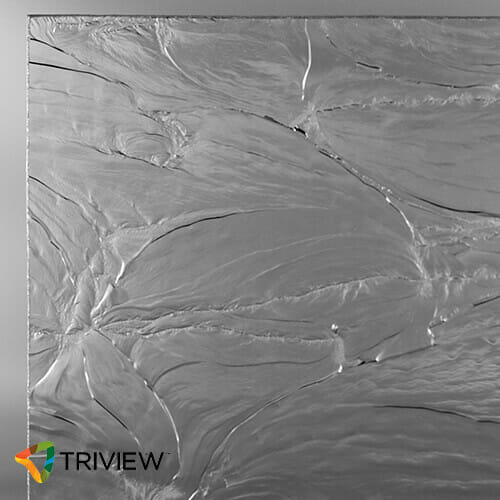 Glue Chip Glass is sandblasted on one side, coated with animal hide glue, and heated. As the drying glue contracts, chips of the sandblasted surface are pulled off creating the unique fern like or “jack frost” pattern. Different patterns are achieved using a variety of processes to give a unique look for each type or style. While the pattern is quite shallow, it is strongly obscuring, making it an inexpensive cabinet or privacy glass.
 -
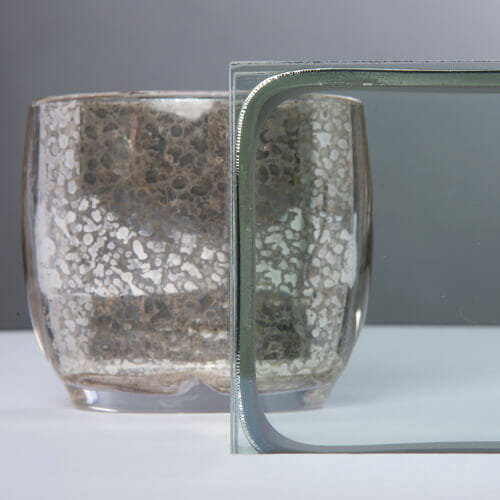 Laminated glass is a type of safety glass that holds together when shattered. Much like our other clear glasses, it features a flat surface with a uniform thickness that provides an unobstructed views. Laminated glass is also proficient at improving heat insulation, and insulating sound. With its ability to block 62 percent of total solar energy while allowing 70 percent of visible light to pass through, PPG’s Solarban 60 glass can help you achieve a building design that provides year-round comfort with heating and cooling cost savings. PPG’s Solarban 60 Laminated Glass is just one of the Clear LowE glasses we offer. See below for the performance data of Solarban 60 Laminated Glass, including its light transmittance (LT), Light Reflectance (LR), Solar Energy Transmittance (ET), Solar Energy Reflectance (ER), and Solar Energy Absorptance (EA).
 -
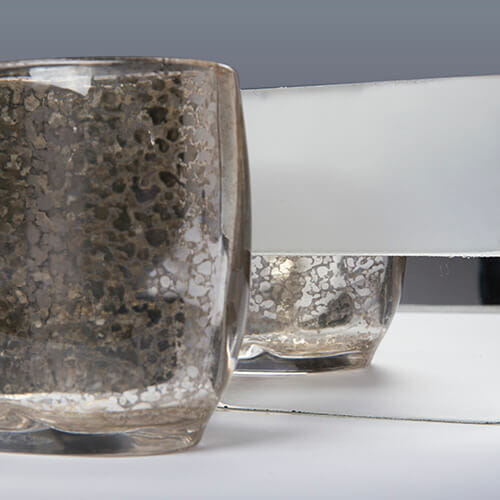 Clear mirrors with an acid etched face provide the beautiful silver found in mirrors, covered with an obscuring surface that still allows the color to pop through.
 -
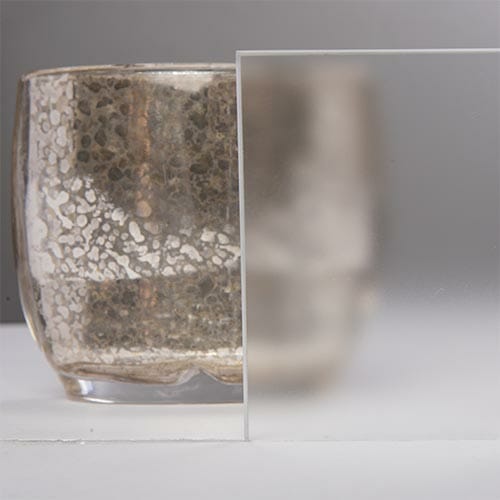 Sandblasted textured glass shares the same aesthetic qualities of acid etched glass, providing complete privacy while still transmitting light. Where sandblasted glass differs from acid etched is in how it is fabricated. Sandblasted glass is produced by spraying sand at high velocities over the surface of the glass. This gives the glass a translucent surface, which is usually rougher than that obtained by etching.
 -
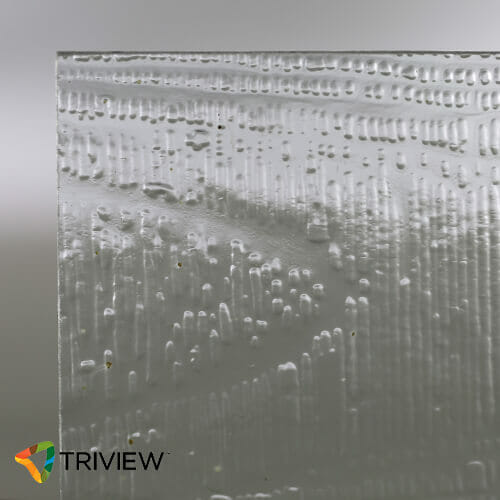 Our Driftwood patterned glass combines the beautiful natural patterns of wood with the bright and beautiful characteristics of glass. In addition to its natural beauty, this patterned glass provides a good amount of privacy while still allowing light in to make a room feel more open and keep it bright.
 -
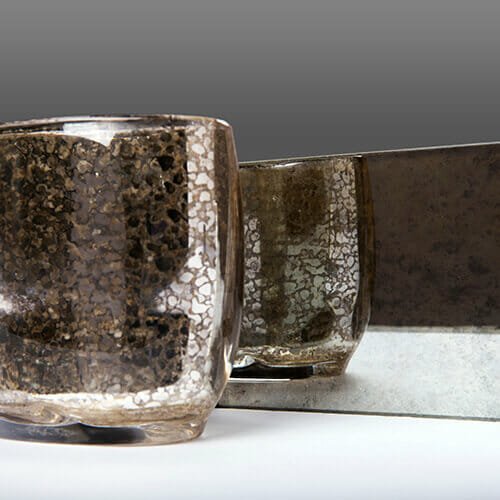 This mirror is characterized by its silver tint and a soft smoky texture covering much of the surface of the mirror. It very much resembles the style of hand-made mirrors that were prevalent until the early 20th century. Although the style of every mirror made is consistent, this type of mirror still uses the method of handmade glass, giving each piece of glass a unique pattern, much like a fingerprint.
 -
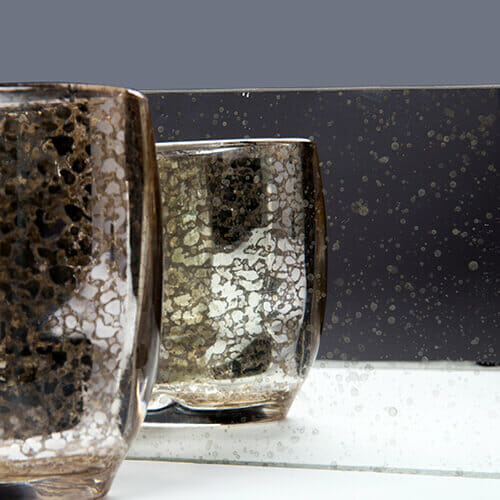 This mirror sports a silver tint with a spotted pattern that resembles water spots. This style of glass stays true to the style of hand-made mirrors that were prevalent until the early 20th century. Although the style of every mirror made is consistent, this type of mirror still uses the method of handmade glass, giving each piece of glass a unique pattern, much like a fingerprint.
 -
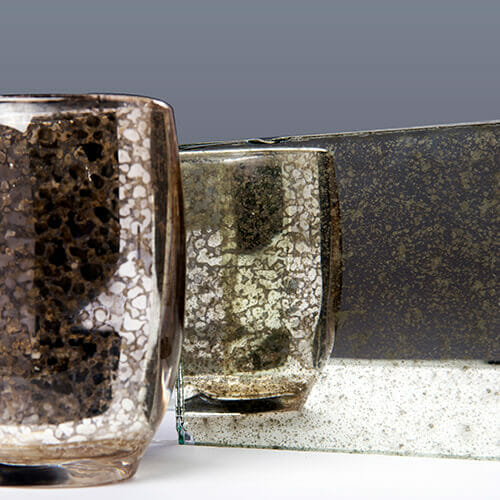 This mirror sports a traditional silver color mirror, but has gold speckles on its face the resembles gold flakes or dust. This style of glass stays true to the style of hand-made mirrors that were prevalent until the early 20th century. Although the style of every mirror made is consistent, this type of mirror still uses the method of handmade glass, giving each piece of glass a unique pattern, much like a fingerprint.
 -
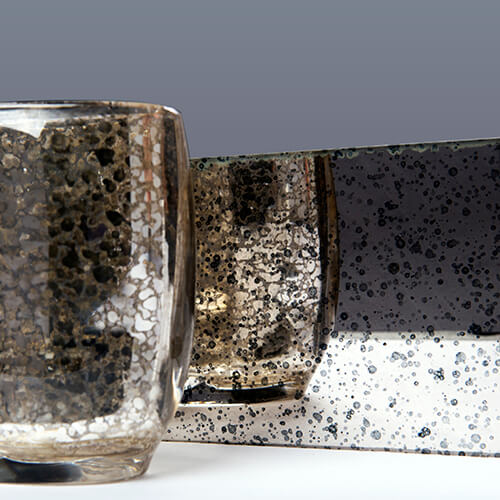 This mirror sports a silver tint with a spotted pattern that resembles water spots. This style of glass stays true to the style of hand-made mirrors that were prevalent until the early 20th century. Although the style of every mirror made is consistent, this type of mirror still uses the method of handmade glass, giving each piece of glass a unique pattern, much like a fingerprint.
 -
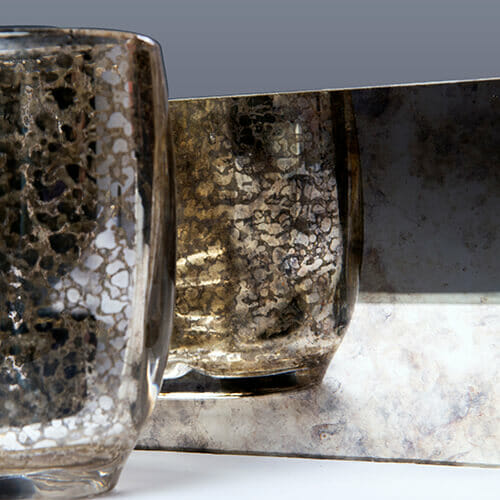 This mirror is characterized by its silver tint and a soft smoky texture covering much of the surface of the mirror. It very much resembles the style of hand-made mirrors that were prevalent until the early 20th century. Although the style of every mirror made is consistent, this type of mirror still uses the method of handmade glass, giving each piece of glass a unique pattern, much like a fingerprint.